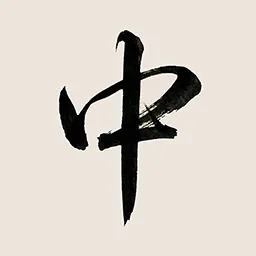
衰 (shuāi)
to decline/weak
How 衰 is written
- Strokes
- 10
- Radical
- 衣 — clothes
- Traditional
- 衰
- Simplified
- 衰 (unchanged)
衰 has 2 readings
The pronunciation changes with the meaning, so the reading has to be learned per word.
- cuī
- mourning garments
- shuāi
- to decline; to wane; to become weak or feeble
Common words using 衰
- 衰老 shuāilǎo
- to age; to deteriorate with age; old and weak
- 衰弱 shuāiruò
- weak; feeble
- 衰竭 shuāijié
- organ failure; exhaustion; prostration (medicine)
- 衰退 shuāituì
- to decline; to fall; to drop
- 半衰期 bànshuāiqī
- half-life
- 早衰 zǎoshuāi
- premature senility
- 盛衰 shèngshuāi
- to flourish then decline; rise and fall
- 經久不衰 jīngjiǔbùshuāi
- unfailing; never-ending
- 興衰 xīngshuāi
- prosperity and decline (of a kingdom); rise and fall
- 衰亡 shuāiwáng
- to decline; to die out; decline and fall
- 衰微 shuāiwēi
- to decline; to wane; weakened
- 衰敗 shuāibài
- to decline; to wane; to decay
衰 in a sentence
爺爺的記憶力正在衰退。
Yéye de jìyìlì zhèngzài shuāituì.
“Grandpa's memory is declining.”
How common is 衰?
衰 is the 1,700th most frequent character in written Chinese. Characters up to this rank account for about 95.8% of all running text.
Characters that appear with 衰
Master 衰 and 5,000 others.
Flashcards and Writing Practice. Every single character in A Course in Contemporary Chinese 當代中文課程.
衰
Start Learning
Flashcard Add to your deck