鬧 (nào)
Noisy; to make a disturbance; to joke.
How 鬧 is written
- Strokes
- 15
- Radical
- 鬥 — fight
- Traditional
- 鬧
- Simplified
- 闹
Components
- 鬥 fight
- 亠 lid
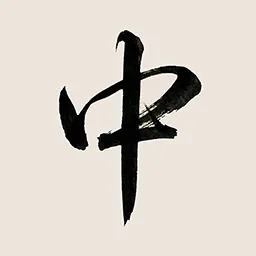
- 巾 turban/scarf
Common words using 鬧
- 熱鬧 rènao
- bustling with noise and excitement; lively
- 鬧鐘 nàozhōng
- alarm clock
- 吵鬧 chǎonào
- noisy
- 喧鬧 xuānnào
- make a noise; noisy
- 大鬧 dànào
- to cause havoc; to run amok
- 大鬧天宮 dànàotiāngōng
- Monkey wreaks havoc in heaven, story about the Monkey King Sun Wukong 孫悟空|孙悟空[Sun1 Wu4 kong1] from the novel Journey to the West 西遊記|西游记
- 湊熱鬧 còurènao
- to join in the fun; to get in on the action; (fig.) to butt in
- 無理取鬧 wúlǐqǔnào
- to make trouble without reason (idiom); to be deliberately provocative
- 胡鬧 húnào
- to act willfully and make a scene; to fool around; to make trouble
- 鬧劇 nàojù
- farce; CL:場|场[chang3],齣|出[chu1],幕[mu4]
- 鬧心 nàoxīn
- to be vexed or annoyed; to feel queasy
- 鬧鈴 nàolíng
- alarm (clock)
鬧 in a sentence
別再鬧了,大家都在看。
Bié zài nào le, dàjiā dōu zài kàn.
“Stop making a scene, everyone is watching.”
How common is 鬧?
鬧 is the 1,334th most frequent character in written Chinese. Characters up to this rank account for about 93.2% of all running text.
Characters that appear with 鬧
Master 鬧 and 5,000 others.
Flashcards and Writing Practice. Every single character in A Course in Contemporary Chinese 當代中文課程.
鬧
Start Learning
Flashcard Add to your deck